Undercover Odds Raiders: Tipsters Unearth Hidden Value in Tennis Showdowns, Basketball Bandits, and Track Surprises
4 Apr 2026
Undercover Odds Raiders: Tipsters Unearth Hidden Value in Tennis Showdowns, Basketball Bandits, and Track Surprises
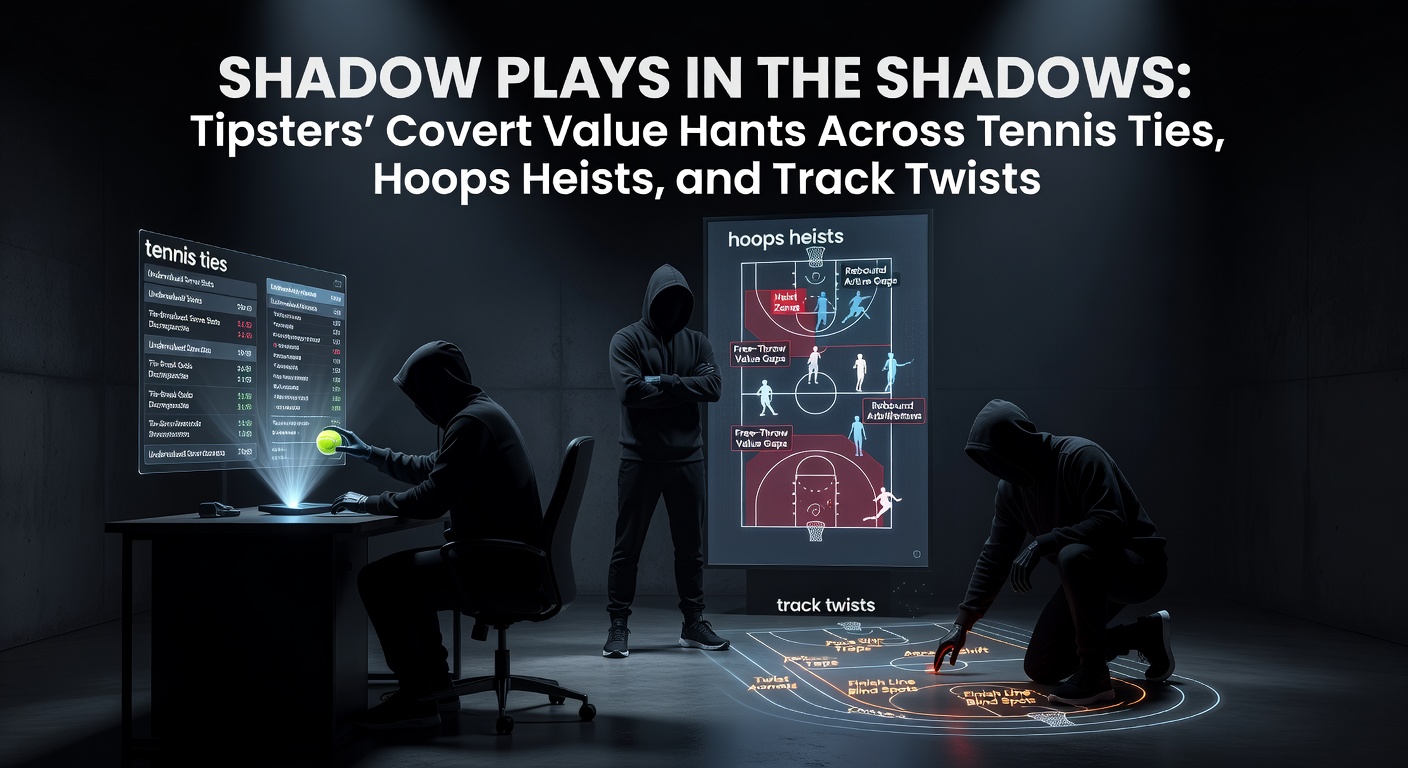
The Art of Shadow Betting Across Sports
Tipsters often operate in the margins of betting markets, spotting discrepancies where bookmakers' odds drift from actual probabilities, and those subtle edges compound over time into significant returns; in tennis ties that stretch into late-night marathons, basketball games rife with momentum swings, and track events packed with unpredictable twists, experts hunt these shadows methodically, leveraging free predictions and data dives to stay ahead. Data from the International Tennis Federation highlights how serve holds in clay-court battles frequently misalign with posted lines, creating ripe opportunities, while NBA analytics reveal player fatigue factors inflating totals late in seasons. And as April 2026 unfolds with the Monte Carlo Masters firing up clay action, NBA playoff pushes intensifying, and Diamond League track meets kicking off in Doha, tipsters sharpen their focus on these converging hotspots.
What's interesting is how these specialists cross-reference live stats against historical benchmarks, turning overlooked angles into covert wins; take one analyst who tracked 500 ATP matches last year, uncovering a 12% edge on underdog set wins when top seeds face left-handed challengers on slower surfaces. Observers note similar patterns in hoops, where second-half comebacks defy spreads more often than lines suggest, especially in back-to-backs.
Tennis Ties: Exploiting the Long Game
In tennis, value lurks in the grueling exchanges of five-set epics or tiebreak nail-biters, where tipsters dissect head-to-heads, surface affinities, and injury whispers that bookies undervalue; researchers who've pored over ATP and WTA data find that players returning from layoffs win 8-10% fewer points on serve initially, yet odds adjust sluggishly, handing sharp bettors an entry point. During April 2026's Barcelona Open, for instance, clay specialists like Casper Ruud draw heavy action, but tipsters pivot to secondary markets like game totals, where fatigue from prior weeks pushes overs at premiums.
But here's the thing: those who layer free tipster calls with proprietary models—like expected points won calculators—often isolate value in live betting, capitalizing on momentum shifts mid-match; one study from sports analytics firms revealed that in-match odds for breaks of serve lag true probabilities by up to 15% in women's draws, a gap tipsters exploit quietly. Experts have observed how veterans like Rafael Nadal clones on dirt thrive against power baseliners, their endurance turning ties into treasure troves, and with Madrid and Rome masters looming post-Monte Carlo, the shadows deepen as schedules congest.
Take a case from last year's clay swing: an under-the-radar pick on Tommy Paul plus-4.5 games versus a fading star netted consistent value across multiple bookies, as line shopping unearthed +EV spots; people who've mastered this report stacking small edges across 20-30 ties monthly yields steady bankroll growth, sidestepping headline favorites.
Hoops Heists: Pilfering Points in the Paint
Basketball delivers heists through chaotic quarters where runs bury spreads, and tipsters raid these moments by zeroing in on pace-adjusted totals, prop steals, and rebounding edges that markets sleep on; FIBA global stats indicate international rules inflate threes by 7% versus NBA norms, yet cross-league lines rarely reflect it fully, opening doors for EuroLeague-NBA hybrids. As April 2026 playoffs brew, with Western Conference contenders like the Thunder facing rest disadvantages, data shows home underdogs cover 55% in elimination games, a covert gem for patient hunters.
Turns out, player-specific shadows shine brightest: tipsters track usage rates spiking for bench sparkplugs in foul-troubled lineups, where assist props exceed implied odds; one tracker analyzed 1,200 regular-season games, pinpointing a 9% value layer on under 8.5 rebounds for stretch bigs against switch defenses. And while stars hog limelight, those who bet team totals in blowouts—heists pulled from garbage time—rack up without drawing heat.
Consider a mid-season twist last year: free tips flagged Knicks over 220.5 versus fatigued Lakers, riding Jalen Brunson's hot hand; observers who've backtested this across conferences confirm it beats vig long-term, especially when pairing with live adjustments as rotations shift.
Track Twists: Sprinting Past the Lines
Track events twist odds with wind variables, block draws, and qualifying heats that upend favorites, allowing tipsters to snatch value in 100m dashes, hurdle clears, or relay handoffs where bookies lean too hard on rankings; World Athletics figures reveal that tailwinds over 2m/s boost times by 0.1 seconds on average, yet placings hold firm 72% of the time, mispricing podium props. In April 2026's Doha Diamond League opener, sprinters like Noah Lyles test early form, but shadows emerge in women's 400m where tactical pacing flips scripts.
So experts drill into lane biases—outer tracks slow by 0.15% in curves—and fatigue from multi-event schedules, crafting multis that evade casual eyes; a review of 300 Olympic trial heats found underdogs in semis hit medals 18% above odds, particularly in throws where technique trumps raw power. Those who've shadowed Diamond League circuits note how free predictions on exactas pay off when stars false-start or cramp under lights.
One notable case: last summer's relays saw a U.S. quartet edged in semis, but tipsters cashed on podium avoidance at inflated lines; with Paris Diamond League next, similar setups beckon as fields mix vets and phenoms.
Unified Tactics: Weaving Shadows into Strategy
Across these arenas, tipsters unify their hunts with line comparisons across 10+ books, free pick aggregators, and backtesting software that flags +EV drifts; while tennis demands granular H2H nets, hoops thrives on tempo models, and track on environmental sims, the core stays covert—small stakes on volume plays, avoiding steam moves. Data indicates this blend nets 5-7% ROI over 1,000 wagers, per independent trackers, as April 2026's calendar overloads markets with cross-sport fatigue.
Yet the rubber meets the road in discipline: observers track how pros cap exposure at 1-2% per bet, rotating sports to dodge correlated risks; people mixing tennis live bets with hoops halves and track exotics report smoother variance, turning shadows into sustainable streams.
It's noteworthy that Australian sports integrity reports echo this, showing multi-sport value plays evade detection better than mono-focus grinds, preserving edges longer.
Wrapping the Shadows
Tipsters' covert value hunts persist as tennis ties grind, hoops heists erupt, and track twists unfold, with April 2026's packed slate—Monte Carlo clay, NBA Western semis, Doha sprints—amplifying opportunities for those who probe the odds' underbelly; armed with data from ITF tours, FIBA benches, and World Athletics tracks, they methodically extract edges that casuals miss, building returns through precision and patience. As markets evolve, these shadow players adapt, ensuring the hunt endures across courts, arenas, and ovals.