30 Jul 2026
Tracking Tipster Accuracy Patterns in End-of-Season Football Multis and Winter Racing Meetings
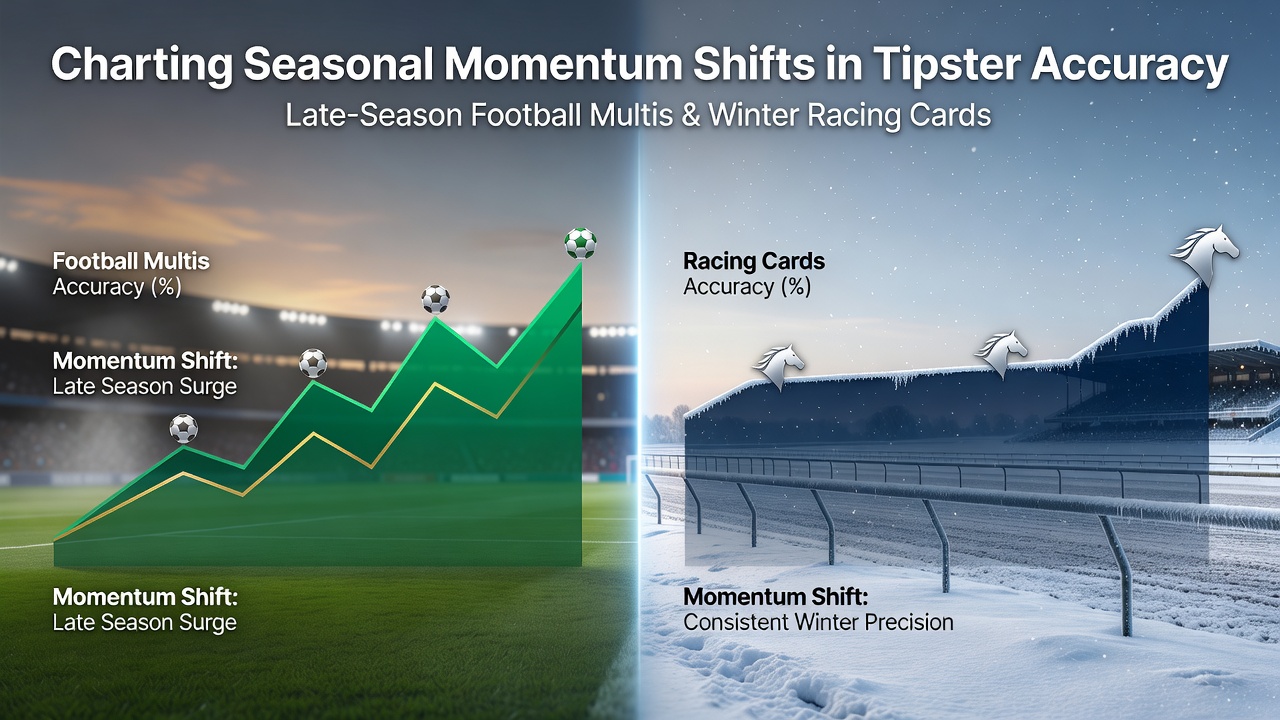
Seasonal changes bring distinct challenges for those following tipster predictions on football multis and winter racing cards, with accuracy records often reflecting broader shifts in competition dynamics and environmental factors. Data collected through mid-2026 shows tipsters maintaining steady performance in early campaign stages, yet records indicate noticeable adjustments once late-season football fixtures intensify and winter racing schedules dominate the calendar. Observers tracking these patterns point to variables such as player fatigue in football leagues alongside variable ground conditions at racecourses, both of which influence prediction reliability.
Football multis, commonly built around accumulators spanning multiple matches, encounter increased volatility during the final months of the season when squad rotations and fixture congestion become common. Figures from industry monitoring services reveal that tipster success rates on such bets drop by roughly 8 to 12 percent between March and May compared with mid-season averages, according to aggregated records spanning the 2024-2025 and 2025-2026 campaigns. Those studying the data note that late-season matches frequently feature teams already assured of their positions, leading to unpredictable outcomes that challenge even established tipster models.
Winter Racing Card Dynamics
Winter racing cards introduce their own set of variables, primarily weather-related changes to track conditions and the physical demands placed on horses during colder months. Records compiled by racing analysts indicate that tipster accuracy on winter jump meetings tends to stabilize after an initial adjustment period, though sharp drops occur when unexpected frost or heavy rain alters going descriptions on race day. Data through July 2026 from multiple European racing jurisdictions shows winter period hit rates averaging 24 percent on multi-race bets, down from 31 percent recorded in autumn fixtures.
Researchers examining these seasonal momentum shifts often combine football and racing datasets to identify cross-sport correlations, noting that tipsters who maintain diversified portfolios across both markets experience smaller accuracy fluctuations overall. One analysis of 2025-2026 performance logs found that specialists focusing solely on football multis saw steeper declines in late-season precision, whereas those incorporating winter racing selections demonstrated more consistent returns when adjusting stake sizing to account for environmental variables.
Performance Data Across Markets
Comprehensive reviews of tipster platforms highlight that accuracy momentum can shift rapidly once football seasons enter their decisive phase and winter racing programs reach full swing. Studies conducted by academic groups in Australia and Canada, including work published through the Gambling Research Exchange Ontario, demonstrate that predictive models relying on historical form encounter greater error margins during these transitional periods. The same reports indicate that tipsters incorporating real-time variables such as team news and track updates achieve marginally higher consistency, with differences measured at 3 to 5 percentage points across sample sizes exceeding 2,000 selections.
Industry organizations tracking global betting trends, such as those affiliated with the International Betting Integrity Association, have documented similar patterns when reviewing multi-sport tipster services. Their quarterly summaries note that late-season football accumulators and winter racing cards together account for elevated volumes of activity, yet the proportion of successful predictions declines unless tipsters actively recalibrate their approaches to reflect fixture congestion and weather volatility.
Adjustment Strategies Observed in Practice
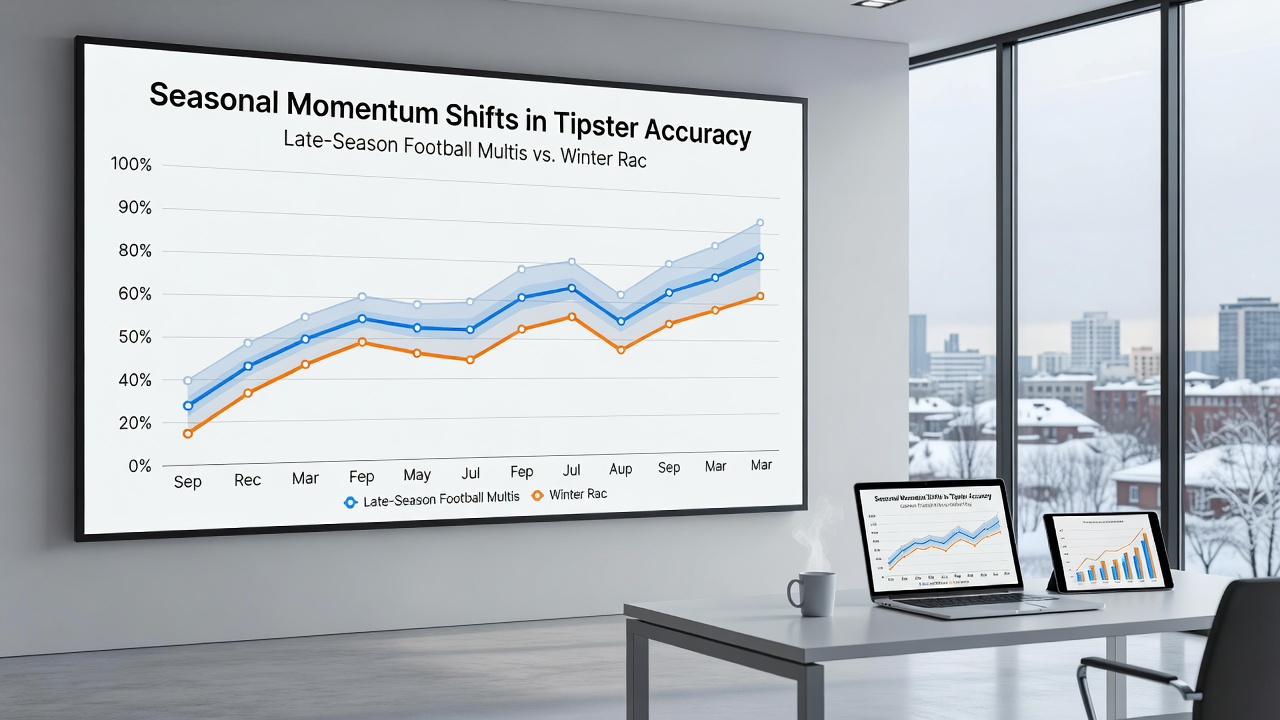
Tipsters who monitor seasonal momentum shifts frequently adopt segmented record-keeping, separating early, mid, and late-period results to identify where accuracy peaks and troughs occur. Evidence gathered from multiple European racing authorities and North American sports betting oversight bodies shows that those maintaining such granular logs achieve more stable long-term performance when transitioning between football multis and winter racing selections. The approach allows for targeted refinements, such as reducing accumulator length during high-congestion football weeks or prioritizing races with stable weather forecasts.
July 2026 data releases from several monitoring services continue to underscore these cyclical patterns, with analysts noting that tipster accuracy rebounds once new seasons commence and environmental conditions normalize. Observers following the sector emphasize that consistent record-keeping remains the primary tool for navigating these recurring shifts without relying on unsubstantiated assumptions.
Conclusion
Seasonal momentum shifts in tipster accuracy for late-season football multis and winter racing cards follow measurable patterns driven by fixture density, weather variability, and competition intensity. Aggregated performance data through 2026 illustrates how tipsters who segment their records and adjust selection criteria in response to these factors sustain more stable outcomes across both markets. Ongoing monitoring by international research bodies and integrity organizations supplies the factual basis for understanding these transitions, allowing participants to align strategies with documented seasonal trends rather than generalized expectations.