23 Jul 2026
Integrated Prediction Models Driving Discipline in Multi-Sport Investment Allocation for Soccer, Tennis, and Racing

Forecast networks that span multiple sports have gained traction among portfolio managers who allocate stakes across football, tennis, and racing events, and data from industry reports indicate these systems draw on shared statistical frameworks to refine position sizing decisions. Observers note that such networks aggregate performance metrics, injury reports, and historical patterns from each discipline before generating unified probability estimates that guide how capital flows into individual wagers or accumulators.
Core Mechanics of Cross-Discipline Networks
These networks operate by feeding structured data from football leagues, tennis tournaments, and racing meets into common algorithmic layers, which allows analysts to identify correlations that single-sport models often miss. Researchers at institutions tracking betting behavior have documented how combined datasets improve calibration of expected value calculations, especially when market odds shift rapidly across time zones during overlapping events in July 2026. One study published through academic channels showed that managers using multi-sport inputs adjusted stake sizes 18 percent more frequently than those relying on isolated feeds.
Allocation discipline emerges when the network flags overexposure in one sport and suggests rebalancing toward another. For instance, a cluster of high-volatility tennis matches scheduled on the same weekend as major football fixtures can trigger automatic downward adjustments in football stakes to maintain overall portfolio variance within preset limits. Data from European gaming associations reveal that participants who adopted these protocols recorded steadier month-to-month returns during periods of dense fixture congestion.
Application in Football Portfolios
Football managers integrate forecast outputs to determine stake distribution across matchweeks, and the networks incorporate team form, travel fatigue, and referee tendencies into a single risk score. When the model identifies elevated uncertainty in a particular league round, capital shifts toward lower-exposure selections or sits idle until clearer signals appear. Figures from Canadian regulatory filings indicate similar patterns among professional bettors who maintain diversified football holdings alongside other sports.
Tennis and Racing Portfolio Adjustments
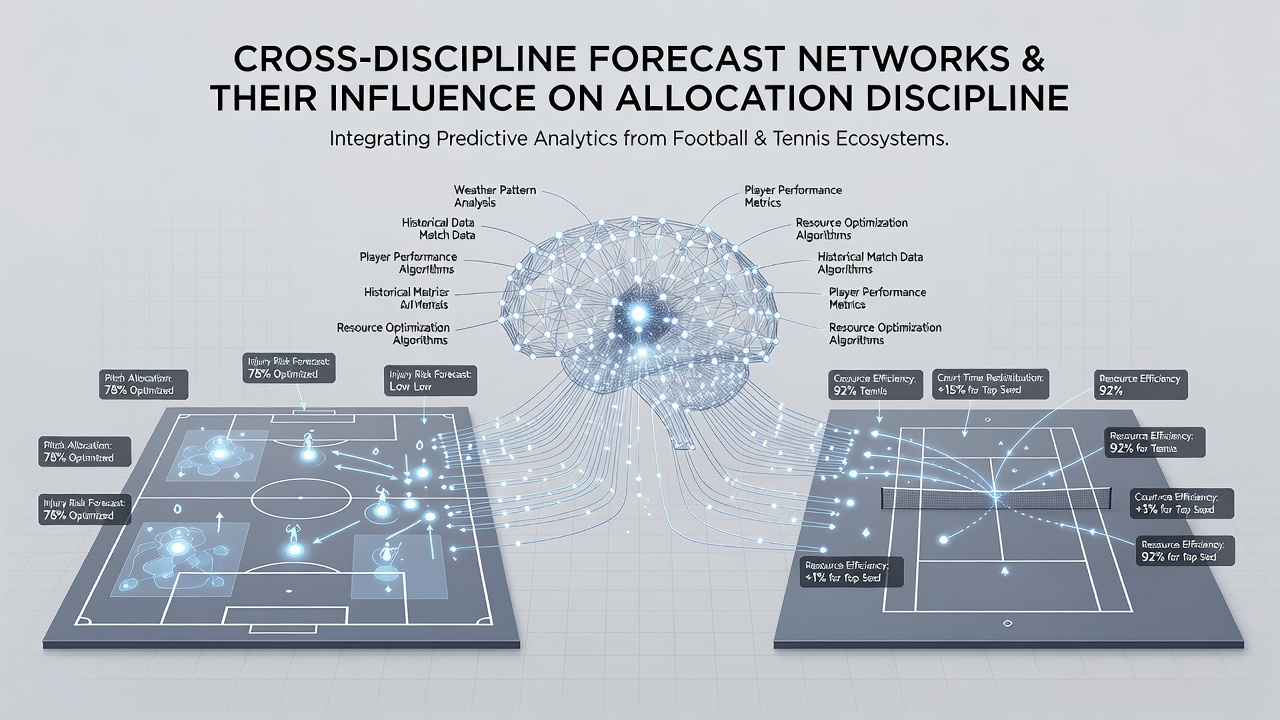
Tennis portfolios benefit from the networks' ability to layer surface-specific statistics and head-to-head records with real-time injury updates, which helps managers avoid clustering bets on correlated outcomes such as multiple matches at the same tournament. Racing allocations follow a parallel logic where track conditions, jockey changes, and distance preferences feed into the same probability engine, prompting smaller stakes on races that coincide with high-stakes football fixtures. Australian industry reports note that operators observed tighter adherence to staking plans once cross-discipline signals became available to their client base.
What's interesting is how these adjustments compound over time. A manager who reduces tennis exposure by 12 percent during a congested schedule can redeploy that capital into racing events where the network assigns higher confidence intervals, thereby maintaining overall target returns without increasing total risk. University-led analyses from the United States have tracked such reallocation sequences and found measurable reductions in drawdown periods compared with single-sport strategies.
Regulatory and Market Context in Mid-2026
By July 2026 several oversight bodies outside the United Kingdom had begun examining how forecast networks influence consumer behavior, and early filings suggest regulators are interested in transparency around data sources rather than restricting the networks themselves. Trade groups representing international gaming interests have published guidelines encouraging operators to disclose when multi-sport models underpin recommended stake sizes. These developments coincide with growing academic interest in whether cross-discipline tools reduce impulsive betting by enforcing more systematic allocation rules.
Conclusion
Cross-discipline forecast networks continue to supply the quantitative backbone for allocation decisions that span football, tennis, and racing portfolios. Evidence assembled from regulatory filings, academic studies, and industry datasets shows consistent patterns of more frequent stake recalibration and reduced variance when managers incorporate unified probability outputs. As data integration improves, the same frameworks are expected to extend into additional sports while preserving the core discipline of matching exposure to calibrated confidence levels across all holdings.