11 Aug 2026
Coordinated Police and Regulator Operation Hits Unlicensed Gambling Sites in Sheffield and Doncaster

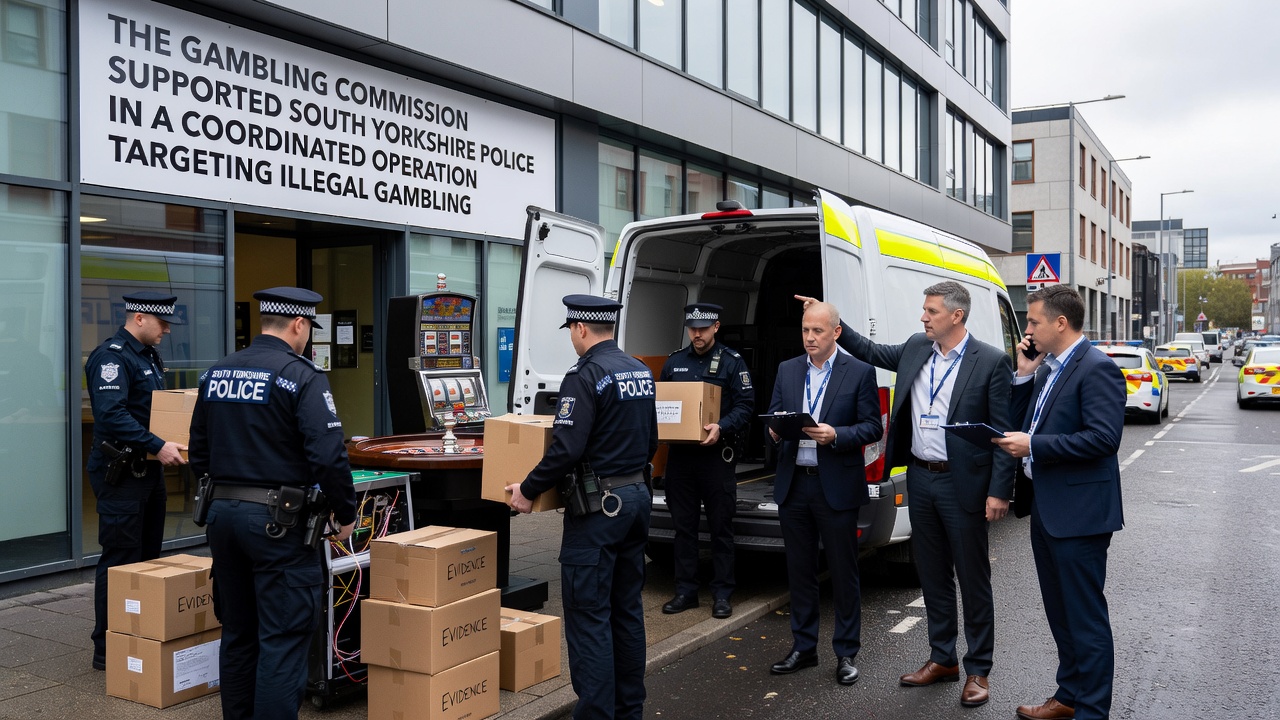
Authorities in South Yorkshire carried out a joint operation that brought together officers from South Yorkshire Police and staff from the Gambling Commission to address unlicensed gambling operations in Sheffield and Doncaster, and the action focused on sites suspected of links to organised criminal groups while targeting activity that operates outside the regulated framework. The effort took place amid ongoing efforts to disrupt illegal betting networks that function without the required licences issued under UK law.
Details of the Joint Enforcement Action
Teams executed coordinated raids and inspections across multiple locations in the two towns, where officers seized equipment associated with gambling activities that lacked proper authorisation; investigators examined records and interviewed individuals present at the premises as part of the process to gather evidence on how these operations functioned. The Gambling Commission provided specialist support that included guidance on regulatory breaches and assistance in identifying unlicensed operators who had been running betting services without oversight from the official licensing body.
Officials noted that the targeted sites had been offering gambling products to the public despite holding no licence, a situation that places them outside the legal requirements established by the Gambling Act 2005. Evidence gathered during the operation pointed toward connections with broader criminal networks that may have been using the gambling activities as a cover or revenue stream for other offences.
Legal Context and Regulatory Requirements
UK law requires any business offering gambling services to obtain a licence from the Gambling Commission before accepting bets or running related facilities, and failure to secure such approval can result in criminal prosecution along with asset seizure. The current operation illustrates how the regulator works alongside local police forces when intelligence indicates that unlicensed premises may be involved in larger patterns of organised crime.
Those who operate without a licence face penalties that include fines, imprisonment, and confiscation of equipment or proceeds; the joint teams in Sheffield and Doncaster applied these provisions when they moved against the identified locations. Observers note that such actions serve to reinforce the boundary between licensed operators who comply with consumer protection rules and those who choose to remain outside the system entirely.
Impact on Local Communities and Ongoing Investigations
Residents in the affected areas may notice reduced visibility of illegal gambling outlets following the raids, while the authorities continue to analyse seized materials to build cases against individuals believed to be directing the operations. The Gambling Commission has stated that it will continue to share information with police partners whenever evidence suggests organised crime involvement in unlicensed gambling, and similar coordinated efforts have taken place in other regions in recent years.
Data from the regulator shows that enforcement activity against unlicensed operators remains a priority because these sites often bypass age verification checks and other safeguards that licensed businesses must follow. In this instance the focus remained on Sheffield and Doncaster, where the scale of the suspected activity prompted the combined response from both agencies.
Next Steps and Continued Monitoring
Investigations remain active as officers review financial records and digital evidence collected during the operation, and the Gambling Commission will assess whether additional regulatory measures or further prosecutions are warranted. Those involved in the action emphasised that the goal is to close down illegal sites while gathering intelligence that can prevent similar operations from re-establishing in the same areas.
Future monitoring will include checks on any new premises that attempt to resume unlicensed activity, and the partnership between the police and the regulator is expected to continue providing the framework for such interventions. The operation in South Yorkshire demonstrates one example of how these agencies combine resources when dealing with suspected criminal enterprises that exploit gambling as part of their activities.
Conclusion
The joint effort between South Yorkshire Police and the Gambling Commission has resulted in direct action against unlicensed gambling premises in Sheffield and Doncaster, with evidence collected that may support further legal proceedings. Observers point to this case as part of a wider pattern where regulatory bodies and law enforcement work together to limit the reach of illegal operators and their potential ties to organised crime. Updates on the outcome of ongoing inquiries will be released as more information becomes available through official channels.