13 Aug 2026
Bridging Prediction Inputs and Capital Deployment Strategies in English Top Division Bet Multiples and Flat Horse Racing Ventures

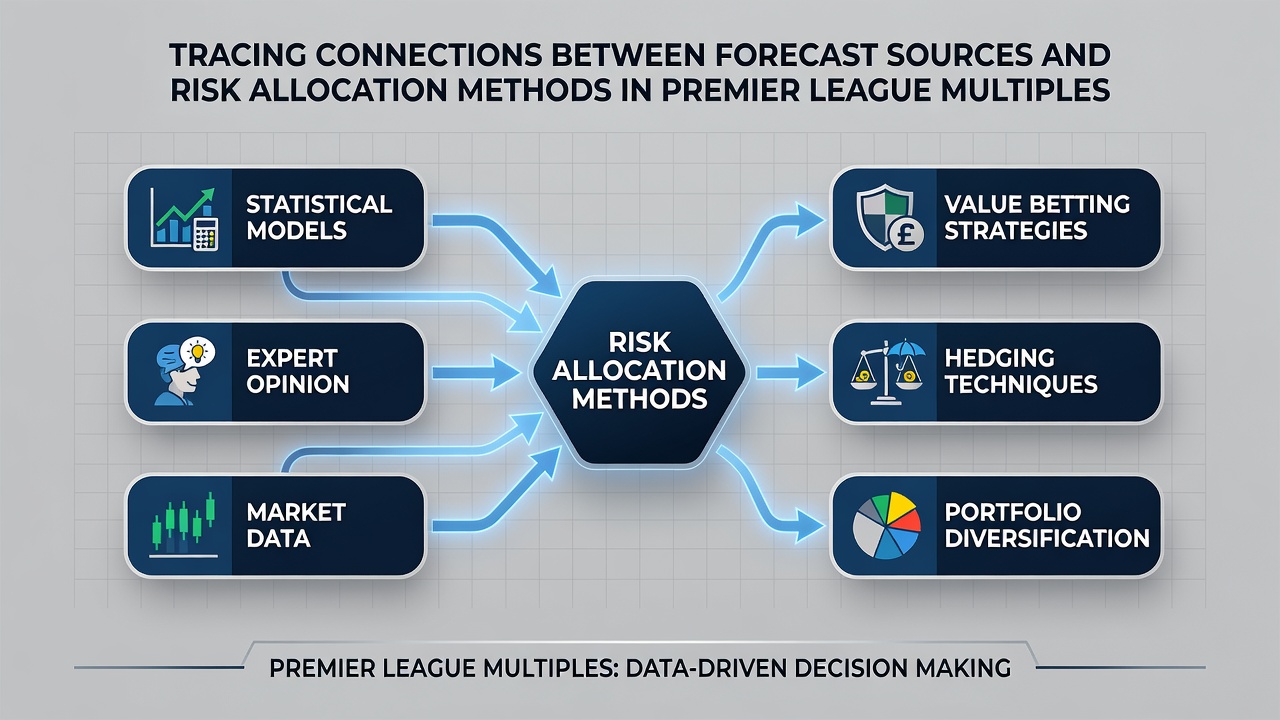
Forecast sources supply the raw inputs that shape how bettors allocate risk across Premier League multiples, while similar data streams influence exposure decisions in flat racing events throughout the calendar year. Statistical models draw from team performance metrics, player availability records, and historical match outcomes to generate probability estimates for accumulator selections, and those estimates then guide position sizing formulas that distribute stakes proportionally to perceived edge. In flat racing, weather projections, track condition reports, and equine form databases serve parallel roles by feeding into algorithms that adjust wager amounts on individual runners or combinations during summer meetings.
Forecast Sources in Football Multiples
Premier League fixtures generate extensive datasets from official league statistics, club injury updates, and advanced analytics platforms that track expected goals and possession metrics. Those sources feed directly into accumulator construction where bettors combine multiple match outcomes into single wagers, and risk allocation methods then determine stake distribution across the legs based on confidence intervals derived from the underlying models. Observers note that when forecast providers release updated team news midweek, probability shifts trigger recalibrations in exposure levels, particularly for accumulators spanning three or more matches. Data from European sports analytics consortia indicate that such adjustments occur most frequently during August windows when new season form lines remain unsettled and squad rotations affect projected results.
Parallel Mechanisms in Flat Racing
Flat racing opportunities rely on comparable forecast pipelines that include official handicapping data, pace analysis tools, and meteorological forecasts for track surfaces. Risk allocation here translates forecast confidence into bet sizing rules that scale stakes according to variance estimates for each race, and connections emerge when operators apply similar proportional frameworks used in football multiples to equine events. Researchers at institutions studying comparative sports analytics have documented how forecast revisions on race day prompt immediate stake reallocations, mirroring the midweek adjustments seen in Premier League accumulators. This pattern holds especially during late summer cards where ground conditions fluctuate rapidly and influence both outright win probabilities and place market exposures.
Connections between the two domains appear in the shared use of modular forecasting architectures that separate primary data ingestion from secondary risk modeling layers. One study from an Australian research group on probabilistic modeling in wagering markets highlights how both football and racing practitioners employ Monte Carlo simulations to test stake distributions before committing capital, and those simulations incorporate forecast source reliability scores to weight outcomes. The approach reduces overexposure during periods of elevated uncertainty, such as the opening weeks of the Premier League campaign or the start of the flat racing season at major tracks.
August 2026 Market Context
August 2026 brings fresh Premier League schedules alongside established flat racing fixtures, and regulatory filings from Canadian provincial gaming authorities record increased cross-market activity during this overlap period. Forecast providers release preseason projections that feed into accumulator builders, while racing analysts update speed ratings for turf and all-weather events that run concurrently. Risk allocation systems respond by tightening variance thresholds when multiple forecast sources diverge on key variables, a practice documented in industry reports from the Gaming Policy and Enforcement Branch of British Columbia. Those reports show operators adjusting exposure caps across both football multiples and equine bets to maintain portfolio balance amid simultaneous fixture congestion.
Integration Patterns Across Markets
Shared software platforms now allow users to import forecast outputs from football analytics vendors and flat racing data aggregators into unified dashboards that apply consistent risk rules. This integration traces direct lines from source reliability assessments to final stake decisions, and analysts observe that practitioners who calibrate allocation methods using combined datasets achieve more stable return profiles over multi-week periods. Figures released by the New Zealand Department of Internal Affairs on wagering patterns confirm that participants who monitor forecast source divergence across sports categories tend to reduce position sizes when confidence metrics fall below preset thresholds. The same principle applies whether constructing a four-leg Premier League accumulator or selecting a sequence of flat race bets during a single afternoon meeting.
Conclusion
Forecast sources and risk allocation methods maintain traceable links across Premier League multiples and flat racing opportunities through common data processing steps and proportional sizing techniques. August 2026 data flows underscore these connections as new season variables intersect with ongoing equine calendars, prompting practitioners to apply unified calibration approaches that draw from both domains. Regulatory records from multiple jurisdictions continue to document how these integrated frameworks shape overall market exposure levels without favoring one sport over another.