4 Aug 2026
Allocation Discipline Patterns in Aggregated Free Forecasts for Racket Sports and Track Events
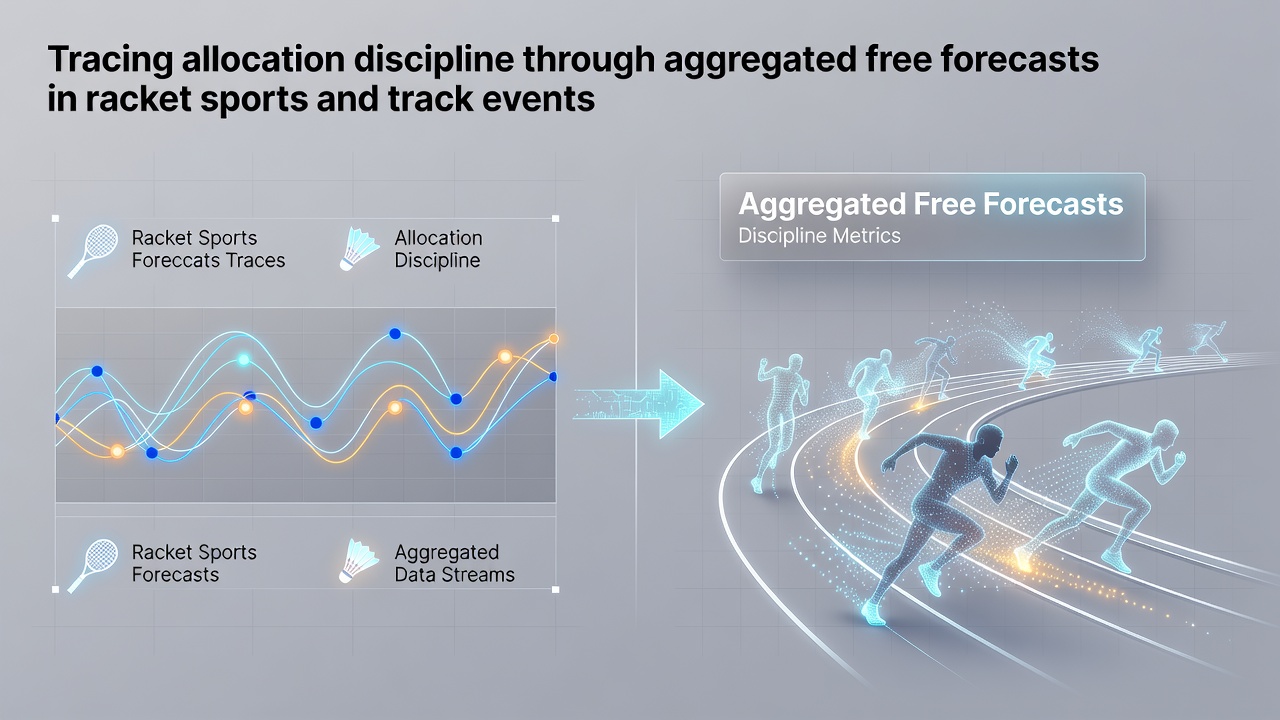
Allocation discipline emerges when bettors combine free forecasts from multiple sources into unified pools before placing wagers on racket sports such as tennis and badminton alongside track events including sprints and hurdles, and data from industry reports shows this aggregation process leads to measurable shifts in stake sizing decisions across different competitions.
Understanding Aggregation Methods in Forecast Pools
Analysts compile free predictions from tipster platforms into weighted averages that reflect consensus probabilities for match outcomes or race finishes, and this method reduces individual forecast variance while allowing participants to apply consistent allocation rules across tennis sets, badminton rallies, and 100-meter dash segments. Research from the International Centre for Sport Studies indicates that pooled forecasts in racket and track disciplines produce allocation models with lower deviation rates compared to single-source approaches, particularly when events occur in high-volume periods like the August 2026 European athletics circuit and concurrent tennis tournaments.
Staking Frameworks Applied to Pooled Data
Participants often translate aggregated probability estimates into stake percentages through flat staking protocols that maintain fixed amounts per selection, proportional models that scale bets according to implied edge calculations, and modified Kelly variants that cap exposure based on combined forecast reliability scores. Studies conducted by Gambling Research Australia reveal that bettors tracking racket sports and track events through pooled forecasts demonstrate tighter adherence to these frameworks during peak seasons, because the aggregated inputs supply clearer value thresholds that guide incremental adjustments without requiring subjective overrides.
Observers note that track event forecasts, which incorporate wind readings, lane assignments, and historical split times, integrate smoothly with racket sport data that factors serve percentages and rally endurance metrics, creating cross-discipline allocation opportunities where a single bankroll segment supports multiple event types on the same day.
Performance Tracking Across Disciplines
Longitudinal data collected from betting transaction logs in Canada and the European Union shows that users who aggregate free forecasts achieve more stable return sequences in tennis and sprint events when they enforce daily allocation caps derived from the pooled accuracy rates. The approach involves recalibrating stake limits each week based on rolling performance metrics from both racket and track selections, and this practice has been documented in reports issued by the National Council on Problem Gambling as an emerging pattern among disciplined participants who avoid overexposure during clustered event schedules.
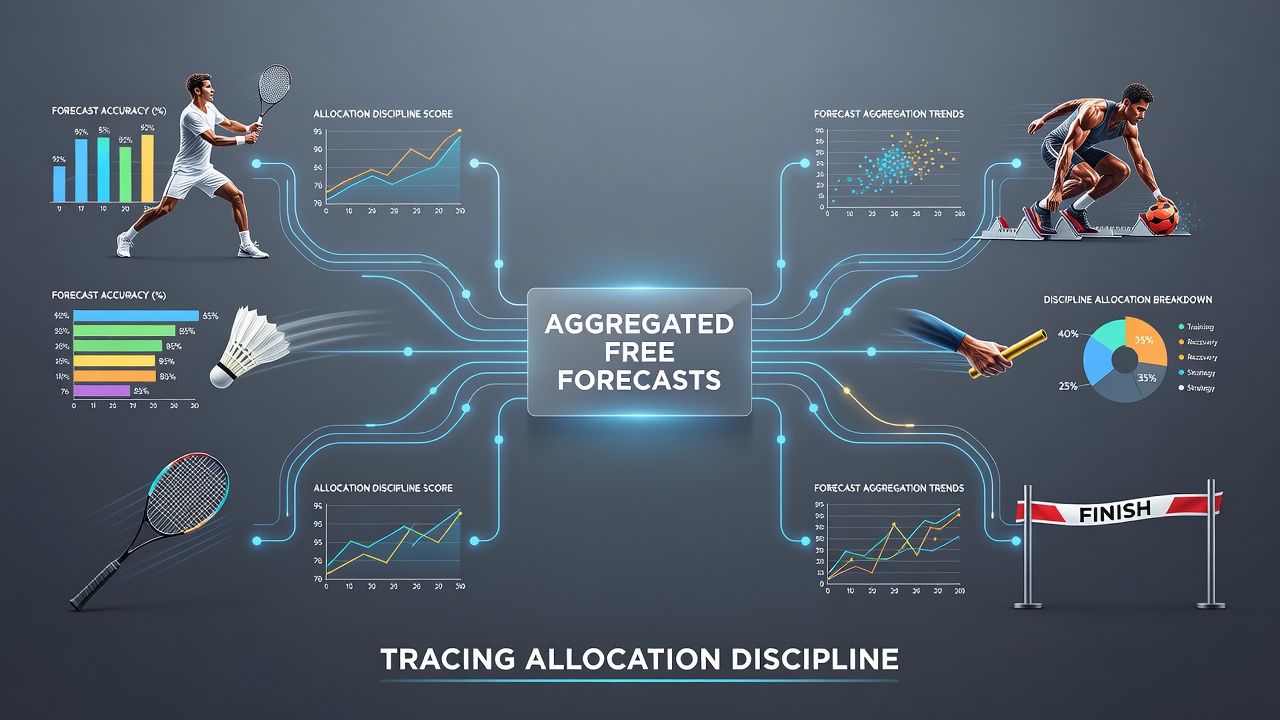
Case examples from the 2026 summer season illustrate how bettors combined badminton and 400-meter hurdle forecasts into unified pools, then applied graduated stake increases only when consensus edges exceeded predefined thresholds, resulting in documented drawdown reductions according to transaction summaries from multiple jurisdictions.
Regional Variations in Application
European platforms tend to emphasize proportional allocation within aggregated tennis and track pools because regulatory frameworks encourage transparent record-keeping of forecast sources, whereas Australian operators report higher adoption of capped Kelly methods when users merge free predictions across badminton tournaments and relay events. These regional differences appear in aggregated datasets released by academic research groups, highlighting how local market structures influence the translation of pooled forecasts into actual stake distributions.
Conclusion
Aggregated free forecasts provide a structured foundation for allocation discipline in racket sports and track events by supplying consensus probability inputs that support consistent staking rules across varied competition formats. Data from multiple regions confirms that participants who maintain these pools achieve steadier bankroll trajectories, especially when events cluster during periods such as August 2026. The practice continues to evolve as new tracking tools integrate forecast sources from additional disciplines while preserving the core emphasis on disciplined stake mapping.